
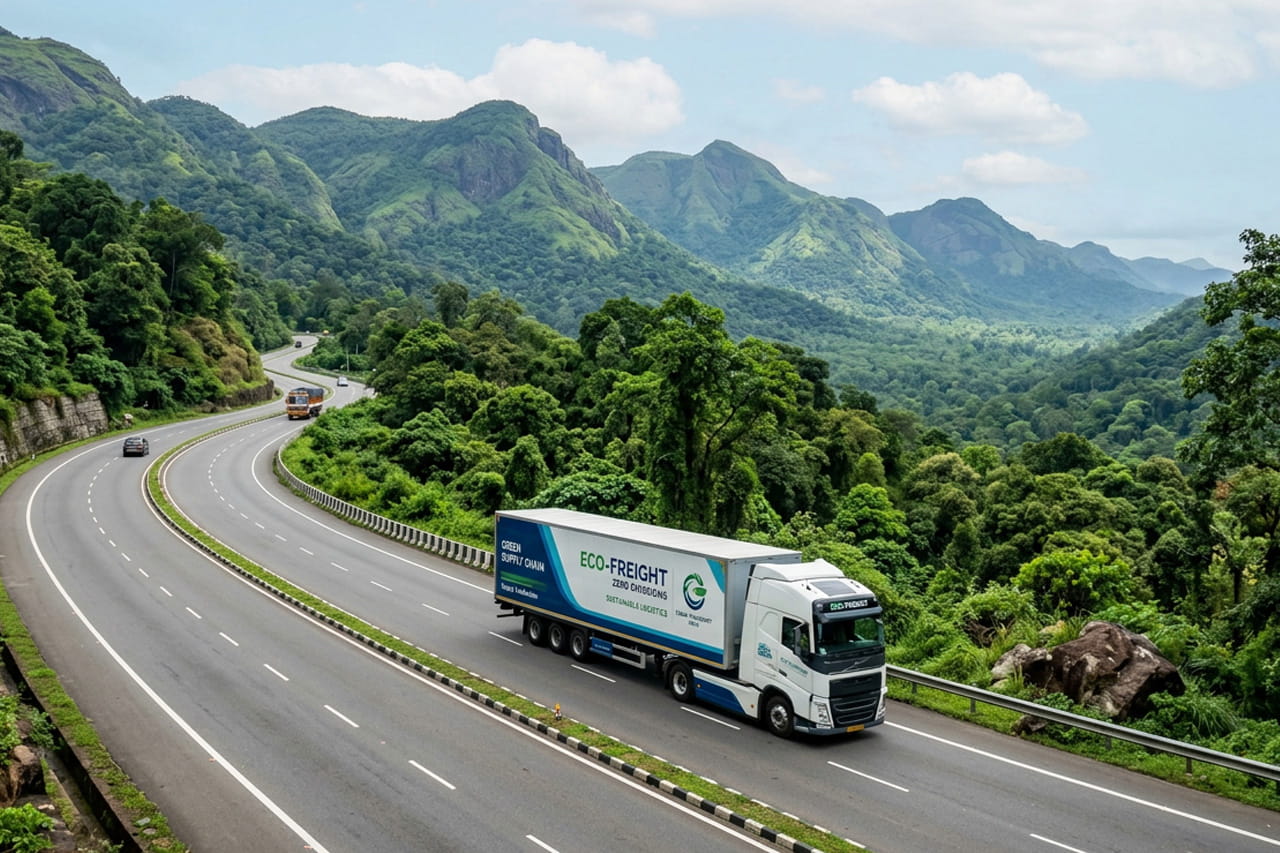
While many Indian enterprises have successfully optimized their internal operations to reduce direct (Scope 1) and indirect energy (Scope 2) emissions, the true elephant in the room remains Scope 3. Representing emissions from the entire corporate value chain—including raw material sourcing, logistics, and end-of-life product disposal—Scope 3 often accounts for over 70% of a company’s total carbon footprint.
For the Indian manufacturing sector, tracking these emissions is exceptionally complex. The industry relies heavily on a deeply fragmented network of MSME (Micro, Small, and Medium Enterprises) vendors who often lack the resources to track or report their own carbon output.
You cannot claim true sustainability if your supply chain remains in the dark. Scope 3 isn’t just your footprint; it is the ecological footprint of your entire business ecosystem.
To solve this bottleneck, leading enterprises are turning to technology-enabled vendor assessment programs. By rolling out simplified digital reporting tools to their suppliers, manufacturers can aggregate Scope 3 data accurately. Furthermore, providing incentives for green logistics and sustainable raw materials is proving to be a highly effective strategy.
As global export markets, particularly the European Union with its new Carbon Border Adjustment Mechanism (CBAM), begin to penalize high-carbon imports, mastering Scope 3 is no longer optional. Indian manufacturers who digitize and decarbonize their supply chains now will secure a massive competitive advantage on the global stage.